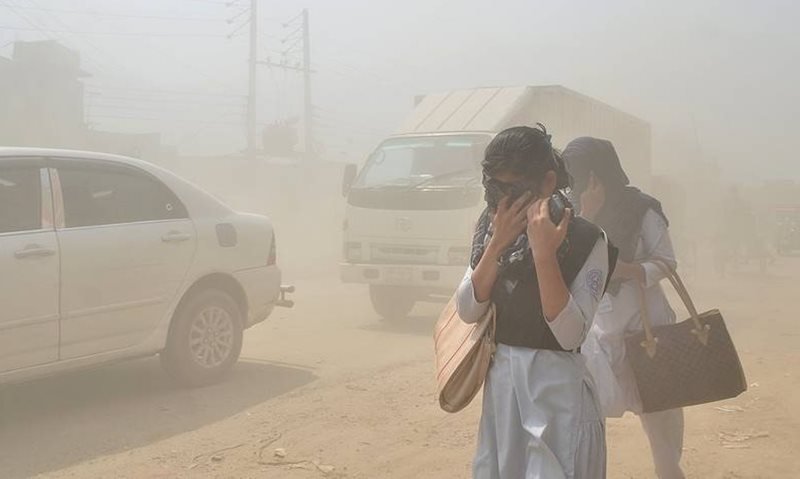
Air Pollution in India: Causes, Effects, Health Risks, and Solutions
Air pollution has become one of the most critical environmental issues in India today. Rapid industrialization, population growth, urban expansion, and an increasing number of vehicles have severely affected the quality of air across the country. Cities like Delhi, Mumbai, Kolkata, and Bengaluru frequently record high Air Quality Index (AQI) levels, posing serious risks to public health and the environment. Air pollution is no longer just an urban problem—it is affecting rural areas as well.
What Is Air Pollution?
Air pollution occurs when harmful substances such as smoke, dust, chemicals, and toxic gases enter the atmosphere and contaminate the air we breathe. These pollutants include particulate matter (PM2.5 and PM10), carbon monoxide, sulfur dioxide, nitrogen oxides, and ozone. Long-term exposure to polluted air can lead to severe health and environmental consequences.
Major Causes of Air Pollution
Vehicle Emissions
The rising number of vehicles is one of the biggest contributors to air pollution in India. Petrol and diesel engines emit harmful gases and fine particles that reduce air quality, especially in metropolitan cities.
Industrial Pollution
Factories, refineries, and thermal power plants release large amounts of pollutants into the air. Inadequate pollution control measures worsen the situation.
Burning of Fossil Fuels
Coal-based power plants and the use of fossil fuels for cooking and heating add to air pollution and greenhouse gas emissions.
Crop Residue Burning
Farmers in northern India often burn crop stubble to clear fields quickly, which leads to dense smog and deteriorating air quality during winter months.
Construction and Road Dust
Infrastructure development and poorly maintained roads generate dust particles that remain suspended in the air.
Effects of Air Pollution in indian
Air Pollution in indian Health Impacts
Air pollution causes respiratory diseases such as asthma, bronchitis, lung infections, and heart problems. Children, elderly people, and pregnant women are particularly vulnerable. Prolonged exposure can even lead to premature death.
Environmental Damage
Polluted air damages crops, forests, soil, and water bodies. Acid rain caused by air pollutants harms ecosystems and reduces agricultural productivity.
Climate Change
Air pollutants contribute to global warming by increasing greenhouse gases in the atmosphere, resulting in extreme weather events and rising temperatures.
Economic Loss
Poor air quality increases healthcare costs, reduces worker productivity, and impacts tourism and outdoor activities.
Measures to Control Air Pollution
Adoption of Clean Energy
Using renewable energy sources such as solar and wind power can significantly reduce pollution levels.
Promotion of Electric Vehicles
Electric vehicles and improved public transport systems can reduce emissions from private vehicles.
Government Initiatives
Programs like the National Clean Air Programme (NCAP) and BS6 emission norms aim to control pollution and improve air quality across Indian cities.
Tree Plantation and Green Cover
Planting trees helps absorb pollutants and improve overall air quality.
Public Awareness and Responsibility
Citizens must avoid burning waste, reduce vehicle usage, and follow eco-friendly practices to control air pollution in indian.
Conclusion
Air pollution in India is a serious challenge that requires immediate and collective action. While the government is taking steps to improve air quality, public participation is equally important. By adopting sustainable practices, supporting clean energy, and spreading awareness, we can reduce air pollution and ensure a healthier future for generations to come. Clean air is not a privilege—it is a fundamental right.public participation is equally important. By adopting sustainable practices, supporting clean energy, and spreading awareness, we can reduce air pollution and ensure a healthier future for generations to come. Clean air is not a privilege—it is a fundamental Clean air is not a privilege—it is a fundamental air